


As a supplier of folding mobile houses, one of the most frequently asked questions I encounter is whether these innovative dwellings can be connected to utilities. The short answer is yes, but there's much more to explore on this topic. In this blog post, I'll delve into the details of connecting folding mobile houses to various utilities, including water, electricity, and sewage systems.
Connecting to Electricity
One of the primary concerns when it comes to any living space is a reliable power supply. Folding mobile houses are no exception. Fortunately, modern folding mobile houses are designed with electrical connectivity in mind.
Most folding mobile houses come pre - wired with electrical systems. The wiring is carefully planned to ensure that it can be easily connected to an external power source. There are generally two main ways to power a folding mobile house: grid connection and off - grid solutions.
Grid Connection
Connecting to the electrical grid is the most straightforward method. Similar to a traditional home, a folding mobile house can be connected to the local power grid through a standard electrical connection point. This typically involves using a power cable to link the house's electrical panel to a nearby power outlet or junction box.
When a folding mobile house is delivered to a site, the electrical contractor on - site can quickly establish the connection. The pre - wired internal system then distributes power to all the necessary areas of the house, such as lighting fixtures, appliances, and electronic devices. Grid connection provides a stable and continuous power supply, allowing residents to use all their electrical appliances without worry.
Off - Grid Solutions
For those who prefer a more independent lifestyle or are located in remote areas, off - grid power solutions are a great option. Solar panels are a popular choice for powering folding mobile houses. These panels can be installed on the roof of the house or in a nearby open area. They convert sunlight into electricity, which is then stored in batteries for later use.
Wind turbines can also be used in combination with solar panels to generate power. The energy generated by these renewable sources is stored in a battery bank, and an inverter converts the DC power from the batteries into AC power, which is suitable for household use. Off - grid power systems require careful planning to ensure that there is enough power storage and generation capacity to meet the needs of the residents.
Water Supply
A reliable water supply is essential for daily living. Folding mobile houses can be connected to both municipal water supplies and alternative water sources.
Municipal Water Connection
When a folding mobile house is placed in an area with access to a municipal water system, connecting to it is relatively simple. A water pipe is run from the main water supply line to the house. The connection point is usually located near the foundation of the house. Once the connection is made, the pre - installed plumbing system inside the house distributes water to faucets, showers, toilets, and other water - using appliances.
The water pressure in the municipal system ensures a consistent flow of water throughout the house. However, it's important to have proper water filtration and treatment systems in place to ensure the quality of the water. This may include sediment filters, carbon filters, and water softeners, depending on the quality of the local water supply.
Alternative Water Sources
In areas without access to a municipal water supply, alternative water sources can be used. Rainwater harvesting is a popular option. A rainwater collection system can be installed on the roof of the folding mobile house. The rainwater is collected in a storage tank and then treated before use. This water can be used for non - potable purposes such as flushing toilets and watering plants.
Well water is another alternative. If there is a well on the property, a pump can be installed to draw water from the well and supply it to the house. Similar to rainwater, well water needs to be treated to ensure its safety for drinking and other household uses.
Sewage Disposal
Proper sewage disposal is crucial for maintaining a healthy living environment. Folding mobile houses can be connected to both municipal sewage systems and septic tanks.
Municipal Sewage Connection
When a folding mobile house is located in an area served by a municipal sewage system, the sewage pipes in the house are connected to the main sewage line. This connection is typically made by a professional plumber. The wastewater from sinks, toilets, and showers flows through the internal plumbing system and into the municipal sewage network for treatment at a wastewater treatment plant.
Septic Tank System
In areas without access to a municipal sewage system, a septic tank system is a viable option. A septic tank is installed underground near the folding mobile house. The wastewater from the house flows into the septic tank, where solids settle to the bottom and liquids are slowly released into a drain field. The drain field allows the treated water to seep into the soil.
Regular maintenance of the septic tank is essential to ensure its proper functioning. This includes pumping out the accumulated solids every few years and inspecting the system for any signs of damage or blockage.
Advantages of Connecting Folding Mobile Houses to Utilities
Connecting folding mobile houses to utilities offers several advantages. Firstly, it provides a comfortable and convenient living experience similar to that of a traditional home. Residents can enjoy all the modern amenities such as hot water, electricity - powered appliances, and a proper sewage disposal system.
Secondly, it increases the marketability of the folding mobile houses. Whether for permanent living or temporary accommodation, potential buyers or renters are more likely to choose a house that can be easily connected to utilities.

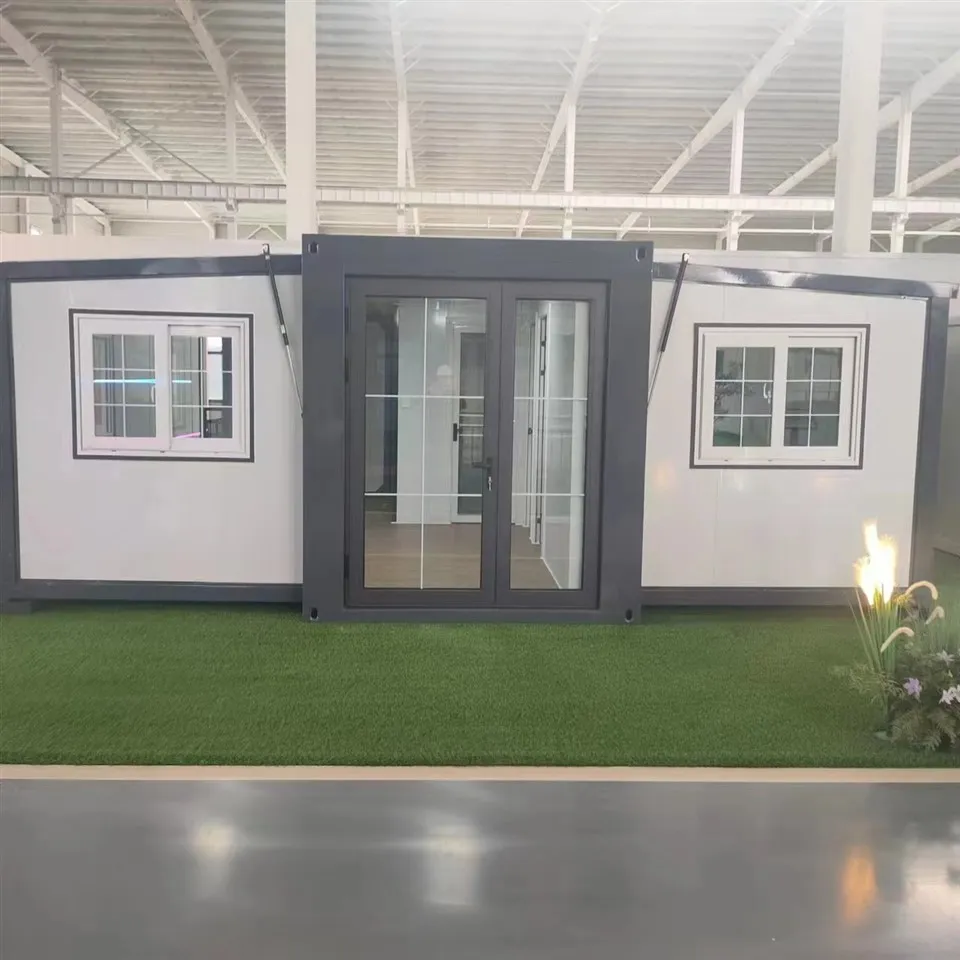
Finally, it allows for greater flexibility in terms of location. Folding mobile houses can be placed in a variety of locations, from urban areas to rural settings, as long as there is a way to connect to the necessary utilities.
Conclusion
In conclusion, folding mobile houses can indeed be connected to utilities. Whether it's electricity, water, or sewage, modern folding mobile houses are designed to accommodate these connections. With a range of options available for both grid - connected and off - grid living, as well as various water and sewage solutions, folding mobile houses offer a flexible and sustainable housing option.
If you are interested in our Portable Expandable House, Mobile Expandable Prefab House or Foldable Prefab House, and want to learn more about how they can be connected to utilities or have any other questions, please feel free to contact us for a detailed discussion. We are ready to assist you in making the best choice for your housing needs.
References
- "Mobile Home Electrical Systems: A Comprehensive Guide" by Electrical Engineering Press
- "Water Supply and Sanitation in Residential Buildings" by Water Resources Institute
- "Renewable Energy Solutions for Off - Grid Living" by Green Energy Journal


