


Hey there! I'm a supplier of Capsule Cabin Houses, and I often get asked if these nifty little homes can hold up in cold climates. Well, let's dive right into it and find out!
First off, what exactly is a Capsule Cabin House? It's a compact, modern living space that offers a unique and efficient way to live. Think of it as a cozy little pod that packs all the essentials into a small footprint. We've got different types, like the Space Capsule Home, Capsule Home, and Sleeping Capsule Pod. They're super popular for people who want a minimalist lifestyle or need a quick and easy housing solution.
Now, back to the big question: Can they be used in cold climates? The short answer is yes, but there are a few things to consider.
Insulation is Key
One of the most important factors for using a Capsule Cabin House in a cold climate is insulation. Good insulation helps keep the heat in and the cold out. Our capsule houses are designed with high - quality insulation materials. We use stuff like thick foam panels and insulated glass for the windows. This insulation acts as a barrier between the inside of the cabin and the cold outside air.
For example, in areas where the temperature drops below freezing, proper insulation can make a huge difference. Without it, the heat from your heater would quickly escape, and you'd be shivering in no time. But with our well - insulated capsule houses, you can maintain a comfortable temperature inside, even when it's snowing outside.
Heating Systems
Another crucial aspect is the heating system. We offer different heating options for our capsule houses. You can choose from electric heaters, which are easy to install and control. They're great for smaller capsule cabins because they can quickly warm up the space.
There are also gas - powered heaters, which are more powerful and can heat larger areas. These are a good option if you're in an extremely cold climate. Some of our customers even opt for radiant floor heating. This type of heating warms the floor, and the heat rises, creating a cozy and even temperature throughout the cabin.

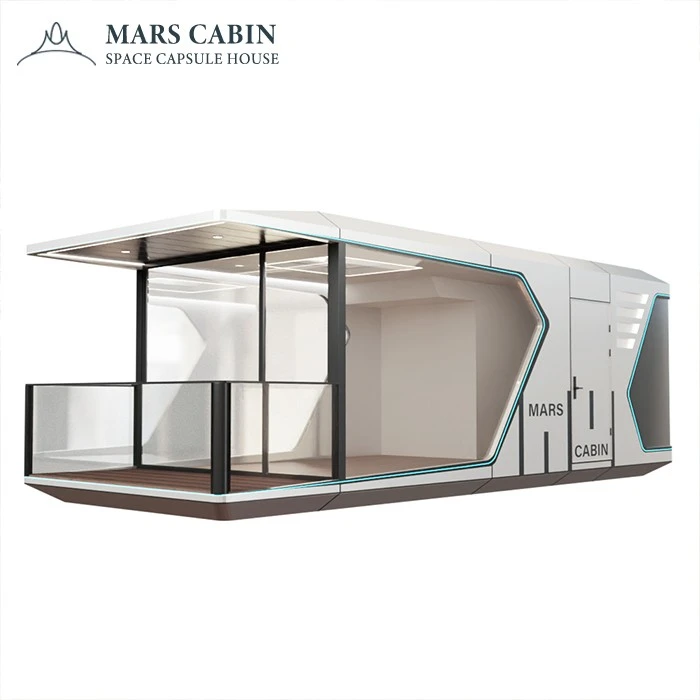
Structural Integrity
Cold climates can also put stress on the structure of a building. Snow and ice can add a lot of weight to the roof of a Capsule Cabin House. That's why our capsule houses are built with strong and durable materials. The frames are made of high - strength steel or aluminum, which can withstand the weight of snow and ice.
We also design the roofs with a slope to help the snow slide off easily. This reduces the risk of the roof collapsing under the weight of the snow. Additionally, the exterior materials are treated to resist corrosion and damage from freezing temperatures.
Ventilation
You might think that ventilation isn't important in cold weather, but it actually is. Proper ventilation helps remove moisture from the air inside the cabin. In a cold climate, if there's too much moisture, it can lead to condensation on the walls and windows. This can cause mold and mildew to grow, which is not only bad for your health but can also damage the interior of the cabin.
Our capsule houses are equipped with ventilation systems that allow fresh air to circulate while keeping the heat in. These systems can be adjusted depending on the weather conditions, so you can always have a healthy and comfortable living environment.
Case Studies
Let me share a couple of real - life examples of our Capsule Cabin Houses in cold climates. There's a customer in Canada who bought a Space Capsule Home for a remote fishing cabin. The area gets really cold in the winter, with temperatures dropping to - 20°C or lower.
They installed an electric heater and made sure the insulation was top - notch. According to them, the cabin stayed warm and comfortable all winter long. They were able to enjoy their fishing trips without having to worry about the cold.
Another customer in Sweden purchased a Capsule Home as a vacation home. They opted for a gas - powered heater and radiant floor heating. The house was able to handle the heavy snowfall and freezing temperatures. They said that the structural integrity held up well, and they didn't have any issues with the roof or the exterior.
Maintenance
In cold climates, regular maintenance is important. You need to check the insulation for any signs of damage or wear. Make sure the heating system is working properly, and clean the filters regularly.
You also need to clear the snow from around the cabin to prevent water from seeping into the foundation. And don't forget to check the ventilation system to ensure it's working efficiently.
Conclusion
So, to sum it up, Capsule Cabin Houses can definitely be used in cold climates. With proper insulation, a good heating system, strong structural design, and proper ventilation, these little homes can provide a warm and comfortable living space even in the coldest of winters.
If you're interested in purchasing a Capsule Cabin House for a cold climate or any other location, we'd love to hear from you. Whether you're looking for a Space Capsule Home, Capsule Home, or Sleeping Capsule Pod, we have the perfect solution for you. Contact us to start the conversation about your dream capsule cabin!
References
- Building Science Corporation. "Insulation and Energy Efficiency in Cold Climates."
- National Snow and Ice Data Center. "Impacts of Cold Weather on Building Structures."
- U.S. Department of Energy. "Heating Systems for Small Buildings."


